
Timber and Off-Site Construction: Insights From a WoodWorks BC Presentation (Dec 2025)
Canada’s off-site construction sector continues to evolve quickly, and WoodWorks BC—supported by the Canadian Wood Council—delivered this week 2 presentations offering a deep look at emerging practices, challenges, and opportunities in prefabricated wood construction.
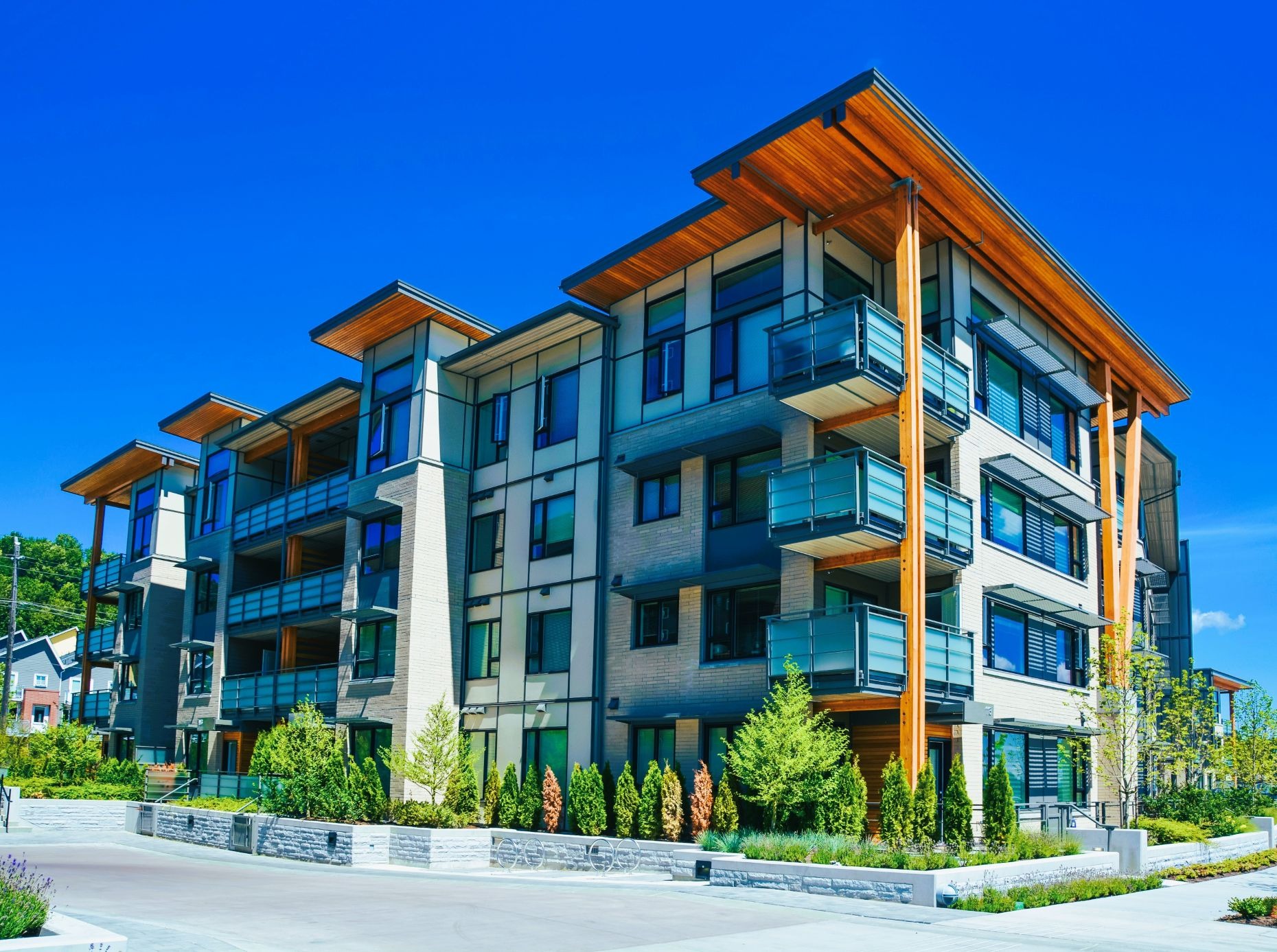
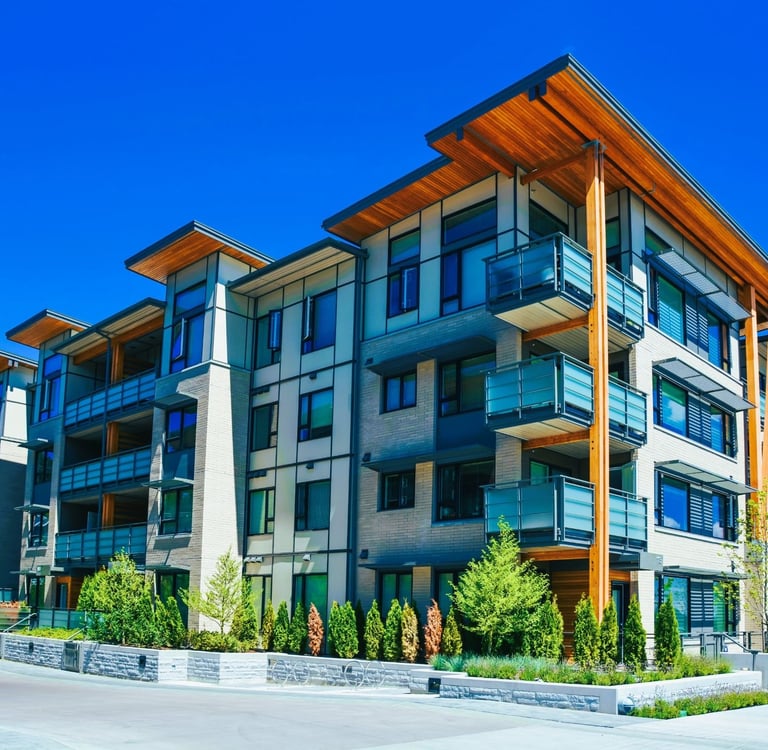
Industry insight was provided by a local BC, prefabricated wood framing supplier, giving attendees both high-level perspective and practical on-the-ground experience.
Below is a recap of these great presentations, capturing all of the major topics discussed.
1. Understanding What Off-Site Construction Really Means
The presenters opened by clarifying that off-site construction is defined not by different materials, but by where fabrication occurs. Instead of building everything on-site, much of the work can be shifted into controlled manufacturing environments.
They described a full spectrum of off-site solutions:
Pre-cut or lightly assembled components
Open panels (framing + sheathing)
Closed panels (framing + insulation + membranes + windows + interior layers)
Advanced panelization
Modular volumetric units (fully constructed rooms or suites)
This spectrum gives design teams flexibility to choose the appropriate level of prefabrication based on project goals, budget, and site conditions.
2. Where Off-Site Construction Adds the Most Value
Remote or Hard-to-Access Locations
Off-site methods were shown to be highly effective when:
Skilled labour is limited
Weather windows are short
Access roads are seasonal or restricted
Material deliveries are costly or unreliable
By shifting fabrication to a factory, projects reduce risk, shorten schedules, and eliminate many of the uncertainties common in remote environments.
Urban and Suburban Sites
Even on typical city projects, off-site construction yields significant benefits:
Faster structural erection
Reduced neighbourhood noise
Cleaner, safer job sites
Lower site overhead
Faster enclosure and earlier access for interior trades
Shorter time to revenue for owners
3. Improved Quality, Consistency, and Predictability
Factory production provides:
Automated and consistent fastening patterns
Higher precision tolerances
Improved quality assurance
Less rework
Safer working environments
This predictability is crucial for both structural performance and building envelope integrity.
4. The Importance of Early Design Coordination
One of the most repeated messages was that off-site construction succeeds or fails in the design phase.
The presenters highlighted:
BIM-based coordination across all disciplines
Early clash detection
Clear identification of which details are fixed vs. flexible
The importance of involving prefabrication suppliers during Schematic Design or Design Development
Aligning specifications with supplier capabilities and lead times
Early engagement reduces redesign effort, avoids conflicts on site, and accelerates construction.
5. Procurement Approaches That Support Prefabrication
The presentation explained that procurement models such as:
Construction Management
Progressive Design-Build
Design-Build with Design Assist
allow project teams to bring suppliers into design early enough for meaningful collaboration, without compromising competitive tendering requirements.
6. Seismic and Building Code Considerations
The presenters discussed how off-site systems respond to the growing seismic requirements across Canada.
Key points included:
Open panels generally follow the same engineering logic as traditional site-built framing.
Closed panels and modular assemblies require careful load-path continuity and targeted access for connections.
Small openings in cladding or interior finishes may be needed on site to complete structural fastenings.
Prefabrication is fully compatible with Canadian code requirements when properly engineered.
7. How Prefabricated Walls, Floors, and Stairs Are Built
Wall Panels
Built in controlled environments
Bundled in installation order
Delivered just-in-time to reduce site clutter
Floor Panels (Floor Cassettes)
Include joists, diaphragms, sheathing, service penetrations, and blocking
Reduce floor squeaks and improve assembly accuracy
Allow for rapid installation with minimal site labour
Prefabricated Stairs
Manufactured to consistent rise/run dimensions
Installed in minutes instead of hours
Often assembled into stair “cores” for early safe site access
8. On-Site Logistics and Installation
Panels arrive in sequence, placed using:
Colour-coded layout drawings
Just-in-time deliveries (often within 48 hours)
Crane placement directly from the truck
A standardized rule: “Handle each panel only once”
This approach results in:
Clean, efficient job sites
Rapid multi-storey progress
Minimal waste
Streamlined scheduling for follow-on trades
9. The Future of Off-Site Wood Construction
Hybrid Mass Timber + Light Wood Prefabrication
Future buildings are increasingly combining mass timber’s beauty and structural capabilities with the speed and efficiency of panelized light-frame systems.
Factory-Installed Envelopes and Windows. One of the most exciting developments discussed in the presentation is the integration of high-performance windows and envelope components directly into prefabricated wall panels.
This approach provides several sustainability and performance advantages:
Higher airtightness through precise factory installation
Better thermal performance, reducing heating and cooling loads
Reduced operational carbon emissions over the building’s lifetime
Lower long-term utility costs
Improved moisture control and durability
Enhanced occupant comfort
With climate goals and energy codes becoming more stringent, high-performance windows installed in factory conditions ensure consistency and help buildings meet:
energy-efficiency targets
greenhouse-gas reduction goals
future net-zero performance expectations
Additionally, faster enclosure—sometimes within 6–8 weeks—allows interior work to begin earlier and protects materials from weather exposure.
Designing With Prefabrication in Mind
The presenters encouraged architects and engineers to intentionally design buildings that align with prefabrication principles:
panel widths
vertical joint alignment
window placement
cladding strategies
mechanical and electrical routing
This approach unlocks the full efficiency potential of off-site construction.
The WoodWorks BC presentation offered a holistic overview of how off-site wood construction is being applied today and how it will evolve in the coming years. With improved quality, faster installation, reduced waste, and opportunities for high-performance building envelopes, off-site construction is becoming a foundational strategy for sustainable development in Canada.
By integrating thoughtful design practices, early coordination, and factory-controlled assemblies—including high-performance windows—project teams can significantly reduce both the short-term construction impact and the long-term carbon footprint of the buildings they create.

North American commercial development for international construction, manufacturing, and industrial companies.